
What is a Short-Term Rental Welcome Book (And Do You Actually Need One)?
By Chirag Agarwal
A welcome book can save you hours of repetitive messages and earn you better reviews. Here's what one is, what to include, and why a beautifully printed book still makes a real difference to guests.
What Is a Short-Term Rental Welcome Book (And Do You Actually Need One)?
It's 10:45pm. You've just sat down. Your phone buzzes: "Hi! Sorry to bother you — where do you keep the bin bags?"
You've answered this exact question four times this month.
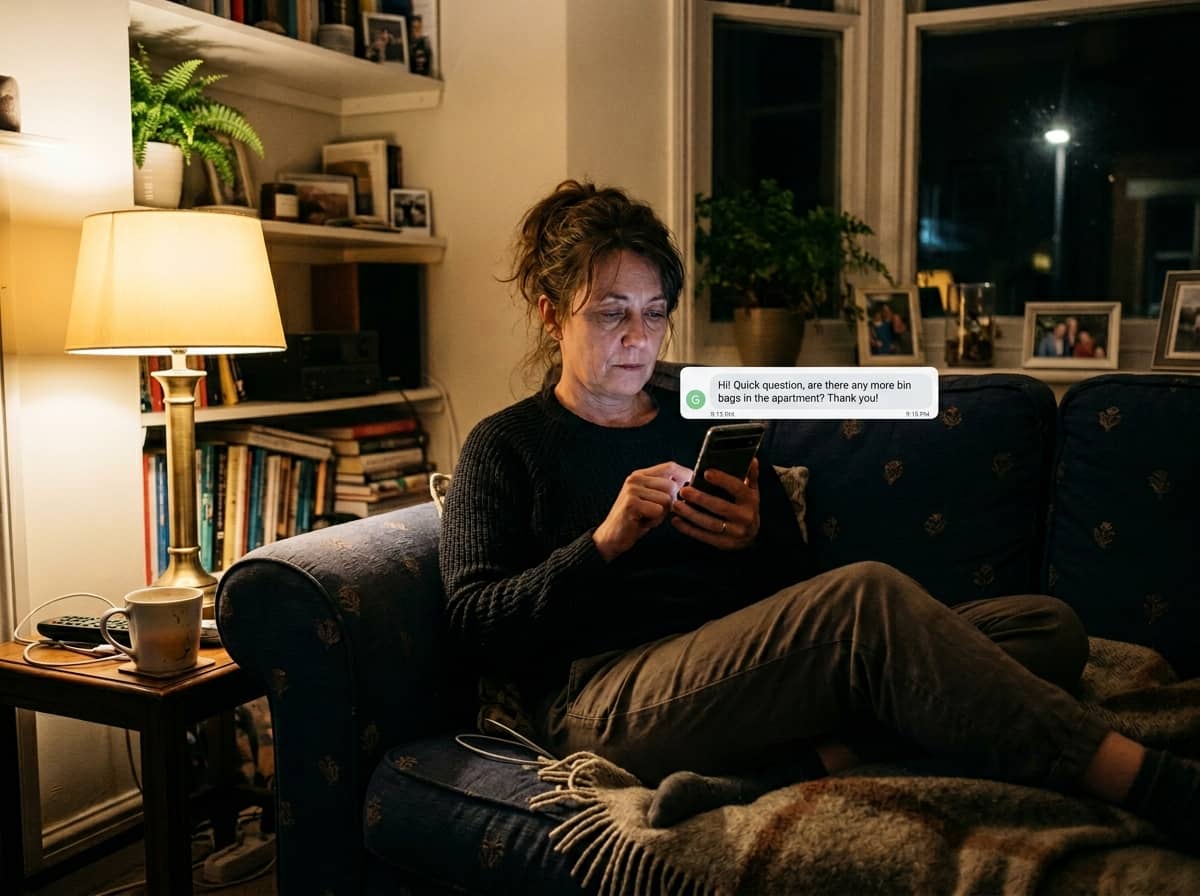
If that sounds painfully familiar, you already understand the problem a welcome book solves. But if you're just starting out as a host, or you've been meaning to sort one and never quite got around to it, this is for you. We're going to cover what a welcome book actually is, what goes in one, and why the physical, printed version is still, in our view, the best thing you can leave on that coffee table.
So, what is a short-term rental welcome book?
A welcome book (sometimes called a house manual or guest guide) is a document you leave at your property that gives guests everything they need for a smooth, enjoyable stay. Think of it as a pre-emptive answer to every question they might otherwise text you at 11pm.
It covers the practical stuff, like WiFi passwords, bin collection and how to work the boiler, alongside the personal touches that make your property feel like more than just a roof over their heads: your favourite local restaurants, the café that does the best breakfast, the walk they absolutely shouldn't miss. Done well, a welcome book bridges the gap between a transactional rental and a stay guests genuinely talk about.
Do you actually need one?
Yes. And here's the honest reason why.
The single most common frustration hosts share in online forums is that guests don't read instructions. It comes up constantly. One host on the Airbnb Community forum put it plainly: "People just don't read, honestly, it's so frustrating." Another described the moment a fellow host, staying as her guest, admitted he simply didn't bother reading "all that stuff." Her conclusion? "You can lead the horse to water but you can't make it drink."
This might sound like an argument against bothering with a welcome book. It isn't. It's an argument for making one that's impossible to ignore.
Because here's what hosts also consistently report: when the information is right there, clear and visible, guests do help themselves. Platforms that provide digital guidebooks claim hosts halve the time spent answering guest queries after setting one up. Experienced hosts on STR communities and property investment forums are practically unanimous that a proper house manual is non-negotiable. As one BiggerPockets thread put it: "Don't assume anybody knows anything about anything."
A well-structured welcome book reduces those late-night messages, sets clear expectations from the start, and quietly communicates to guests that this host has genuinely thought everything through. All of that adds up to fewer complaints, fewer problems, and more five-star reviews.
What goes inside a welcome book?
There's no single correct template, but experienced hosts tend to include these core sections:
WiFi name and password (this goes first, always — guests want it before they've even taken their shoes off)
Check-in and check-out information, including door codes, key location and any timings to be aware of
House rules: quiet hours, smoking policy, parking, bins and recycling
Appliance guides: hob, oven, washing machine, dishwasher, thermostat, TV
Emergency contacts: your number, any out-of-hours support, and the nearest A&E
Local recommendations: restaurants, cafés, supermarkets, things to do nearby
An FAQ: if you've answered the same question more than twice, it belongs in here
One piece of advice that comes up again and again from seasoned hosts: front-load the essentials. Put the most important information on the first page. Many guests will only look at that first page, so make it count.
Why a physical, printed welcome book still wins
Physical Book | Digital Guide |
|---|---|
Always visible | Hidden behind links |
No login required | Requires device |
Easy to browse casually | Intent-driven |
Feels personal | Functional |
Works offline | Internet dependent |
The details guests actually mention in their reviews
The welcome books guests remember and write about tend to share a few traits. They feel personal. They feel local. They feel as though a real person put them together.
A named welcome note at the front makes an immediate difference. Hosts who include genuinely local recommendations (not the same tourist-board list everyone else links to, but the actual places they'd send a friend) consistently find those tips mentioned in reviews. The off-menu dish at the Italian three streets away. The morning walk that takes twenty minutes but feels like an hour. The bakery that does the cinnamon thing.
That's the quiet power of a physical welcome book: it's a piece of your hosting personality in the room, even when you're not there.
Give your guests something worth picking up
At Raries, we design and print beautiful welcome books made specifically for short-term rental hosts. Whether you're setting up your first property or refreshing an existing one, our books give guests everything they need in a format they'll actually want to read.
Tags: airbnb welcome book, Self-Publishing, short term rental guide
Frequently Asked Questions
What is a short-term rental welcome book?
A short-term rental welcome book is a document left at your property that provides guests with essential information for their stay, including WiFi passwords, local recommendations, and instructions for appliances.
Why should I create a welcome book for my rental property?
Creating a welcome book can significantly reduce the number of late-night questions from guests, set clear expectations, and enhance their overall experience, leading to better reviews and repeat bookings.
What should I include in a welcome book?
Your welcome book should include practical information like WiFi details, appliance instructions, trash disposal guidelines, and personal touches such as restaurant recommendations and local attractions.
How can a welcome book improve guest satisfaction?
A well-organized welcome book provides guests with easy access to important information, making them feel more comfortable and informed, which can lead to a more enjoyable stay and positive reviews.
Should the welcome book be digital or printed?
While digital guidebooks are convenient, a printed welcome book is often more effective because guests can easily refer to it without needing to access their devices, especially during late-night queries.
How do I make my welcome book stand out?
To make your welcome book stand out, personalize it with a warm welcome note, include local insider tips, and use an attractive layout or design that reflects the style of your rental property.
Can a welcome book really reduce the number of questions I get from guests?
Yes, experienced hosts report that having a clear and comprehensive welcome book can halve the time spent answering guest queries, as guests are more likely to refer to it for information.